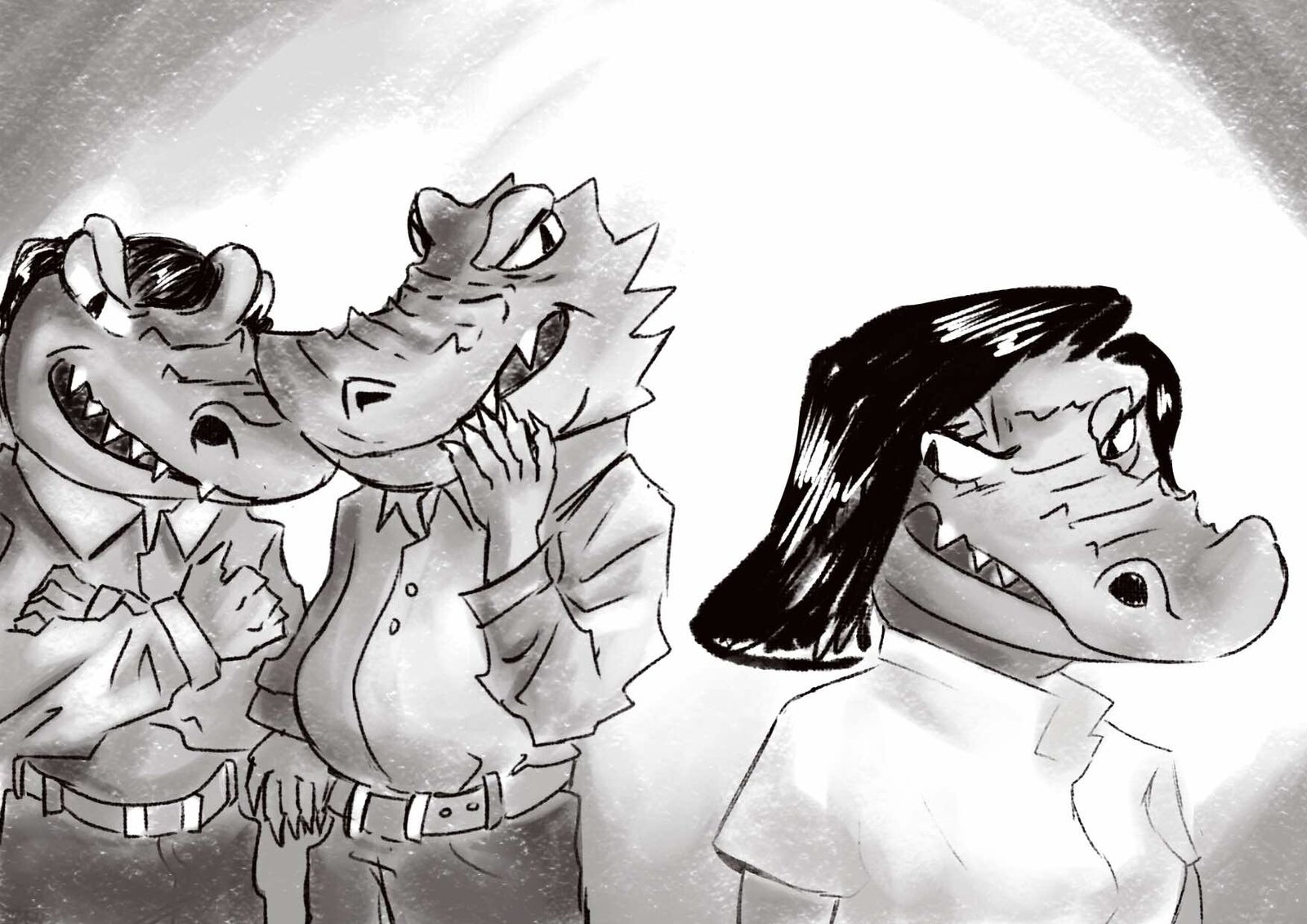
Cartoon by: Stalin
Let’s not sugarcoat it, trust is hard to give these days, especially during elections. The moment campaign season starts, the air gets thick with promises, perfectly filtered photos, and slogans that sound deep but mean nothing. Suddenly, everyone’s a “public servant,” a “voice of the people,” a “fighter for change.” But the question is, can we trust them?
If there’s anything we’ve learned from past elections, it’s this, a lot of candidates will say anything to get your vote. And in this digital age, misinformation has become their strongest weapon.
Just look at the 2022 national elections. According to Tsek.ph, a coalition of fact-checking organizations, there was a massive spread of online disinformation much of it favoring specific candidates. Fake credentials, edited photos, made-up endorsements, and outright lies flooded Facebook, YouTube, and TikTok feeds. It wasn’t random. It was deliberate, strategic, and dangerous.
One infamous example, the claim that Ferdinand “Bongbong” Marcos Jr. graduated from Oxford with a full degree. Oxford University itself clarified that he received only a Special Diploma, not equivalent to a full undergraduate degree. Still, that lie spread like wildfire, thanks to coordinated online campaigns.
This isn’t about political color this is about truth When voters base their decisions on manipulated information, the entire democratic process is compromised.
A Pulse Asia survey during that same election revealed that nearly 80% of Filipinos were exposed to political fake news, and about half rarely verified what they read or watched before sharing it. That’s not just a statistic, that’s a red flag. A warning that we’re choosing leaders based not on facts, but on the most viral fiction.
So here’s the reminder: don’t be an easy vote. Do your homework. Research. Ask hard questions. Look at their track record, not just their TikTok presence or stage presence. Check what they’ve done for their community before they needed your vote. If all they offer is charm and catchy lines, that’s not leadership. That’s marketing.
This is more than just politics. This is about our future our healthcare, our education, our economy, our safety. The wrong leaders make the poorest communities suffer first, and the longest.
Trust, in this regard, must not be artificially manufactured but earned through sustained and ethical public service.